AI-Enhanced Cybersecurity: Advanced Threat Detection in 2026

Advertisements
AI-enhanced cybersecurity in 2026 leverages machine learning and advanced algorithms to provide unparalleled threat detection, proactive defense mechanisms, and robust data protection, revolutionizing how organizations safeguard their digital assets.
The digital landscape is constantly evolving, and with it, the sophistication of cyber threats. In this dynamic environment, AI-enhanced cybersecurity: Protect Your Data with Advanced Threat Detection in 2026 is not just a concept but a critical necessity. Are your current defenses truly ready for what’s next? This article delves into how artificial intelligence is reshaping our approach to digital safety, offering a robust shield against the ever-growing array of cyber dangers.
The Evolving Threat Landscape and AI’s Emergence
The digital world we inhabit is a double-edged sword: a realm of unprecedented connectivity and innovation, yet also a fertile ground for malicious actors. Cybercriminals are no longer relying on simple phishing scams; they are employing sophisticated, AI-driven attacks that can bypass traditional defenses with alarming ease. This escalating arms race demands an equally advanced response, and that’s where artificial intelligence steps in, transforming cybersecurity from a reactive measure to a proactive, predictive science.
Historically, cybersecurity relied on signature-based detection, a method that only identifies threats already known. While effective against established malware, it falls short when faced with zero-day exploits or novel attack vectors. AI, with its ability to learn and adapt, fills this critical gap. It can analyze vast datasets, identify subtle anomalies, and predict potential threats before they materialize, providing a layer of defense previously unimaginable.
The Limitations of Traditional Cybersecurity
Traditional cybersecurity tools often struggle with the sheer volume and velocity of modern cyberattacks. They are typically rule-based, meaning they can only detect what they have been programmed to look for. This approach has several inherent weaknesses:
- Lag in Detection: New threats emerge daily, and traditional systems require manual updates to recognize them, creating a significant window of vulnerability.
- False Positives: Rigid rules can sometimes flag legitimate activities as suspicious, leading to alert fatigue for security teams.
- Scalability Issues: As networks grow in complexity and data volumes explode, traditional methods become less efficient and more resource-intensive.
The reliance on human intervention for analysis and response also introduces delays, giving attackers more time to infiltrate systems and exfiltrate data. This highlights the urgent need for automated, intelligent systems that can operate at machine speed.
Understanding these limitations is crucial to appreciating the transformative potential of AI. It’s not about replacing human security analysts, but empowering them with tools that extend their capabilities, allowing them to focus on strategic defense rather than chasing every alert. The integration of AI marks a paradigm shift, moving us towards a more resilient and adaptive security posture. The future of data protection hinges on our ability to harness these intelligent technologies effectively.
AI-Powered Advanced Threat Detection: A New Frontier
The core promise of AI in cybersecurity lies in its ability to detect threats that traditional methods miss. By leveraging machine learning, deep learning, and natural language processing, AI systems can analyze patterns, behaviors, and anomalies across vast networks, identifying indicators of compromise that are too subtle for human eyes or rule-based systems. This advanced threat detection capability is becoming the cornerstone of robust digital defense strategies in 2026.
Imagine a system that learns the normal behavior of every user, device, and application on your network. Any deviation from this baseline, no matter how small, triggers an alert. This behavioral analysis is a significant leap forward, moving beyond simple signature matching to understand the context and intent behind network activities.
Machine Learning for Anomaly Detection
Machine learning algorithms are at the heart of AI-driven threat detection. They are trained on massive datasets of both benign and malicious network traffic, allowing them to build sophisticated models of what constitutes normal operation. When an activity deviates from these established norms, it’s flagged as a potential threat. This includes:
- Unusual Login Patterns: Detecting logins from new locations or at odd hours.
- Abnormal Data Transfers: Identifying large data transfers to unauthorized destinations.
- Malware Behavior Analysis: Recognizing the characteristics of polymorphic or zero-day malware that constantly changes its signature.
This capacity for continuous learning means that AI systems become more effective over time, adapting to new threats as they emerge. It’s a dynamic defense mechanism that evolves with the threat landscape, providing a much higher level of protection than static, rule-based systems. The ability to process and interpret complex data at scale is what truly differentiates AI in this domain.
Furthermore, AI can correlate disparate pieces of information, piecing together a comprehensive picture of an attack that might otherwise appear as isolated incidents. This holistic view is crucial for understanding the full scope of a breach and mounting an effective response. The future of cybersecurity is intrinsically linked to these advanced analytical capabilities, ensuring that our digital assets remain secure against increasingly sophisticated adversaries.
Proactive Defense Strategies with AI Prediction
Beyond detection, AI is revolutionizing cybersecurity by enabling truly proactive defense. Instead of merely reacting to attacks, AI-powered systems can predict potential vulnerabilities and even anticipate future attack vectors, allowing organizations to fortify their defenses before a breach occurs. This shift from reactive to proactive is monumental, significantly reducing the impact and likelihood of successful cyberattacks.
Predictive analytics, driven by AI, analyzes historical data, threat intelligence feeds, and global attack trends to identify patterns that indicate emerging threats. This allows security teams to prioritize vulnerabilities, patch systems, and adjust security policies in anticipation of specific attack types, rather than waiting for an incident to force their hand.
Anticipating Cyber Threats with Predictive Analytics
AI’s predictive power is a game-changer for cybersecurity. It can:
- Identify Vulnerability Hotspots: Pinpoint areas in a network most likely to be targeted based on past attack data and known exploits.
- Forecast Attack Trends: Analyze global threat intelligence to predict the types of attacks that will become prevalent in the near future.
- Automate Patch Management: Prioritize and automate the deployment of security patches based on predicted risk, ensuring critical systems are always protected.
This foresight allows organizations to allocate resources more effectively, focusing on hardening the most susceptible points in their infrastructure. It transforms cybersecurity from a constant game of catch-up into a strategic, forward-thinking discipline. The ability to see around corners in the cyber realm is an invaluable asset.
Moreover, AI can simulate attack scenarios, testing the resilience of existing defenses and identifying weaknesses before malicious actors can exploit them. This continuous red-teaming capability, powered by AI, provides an ongoing assessment of an organization’s security posture, ensuring that defenses are always optimized and ready. The integration of AI into proactive defense strategies is not just an enhancement; it’s a fundamental shift in how we approach digital security, enabling a much stronger and more resilient defense against the evolving threat landscape.
Automated Response and Remediation: Speeding Up Recovery
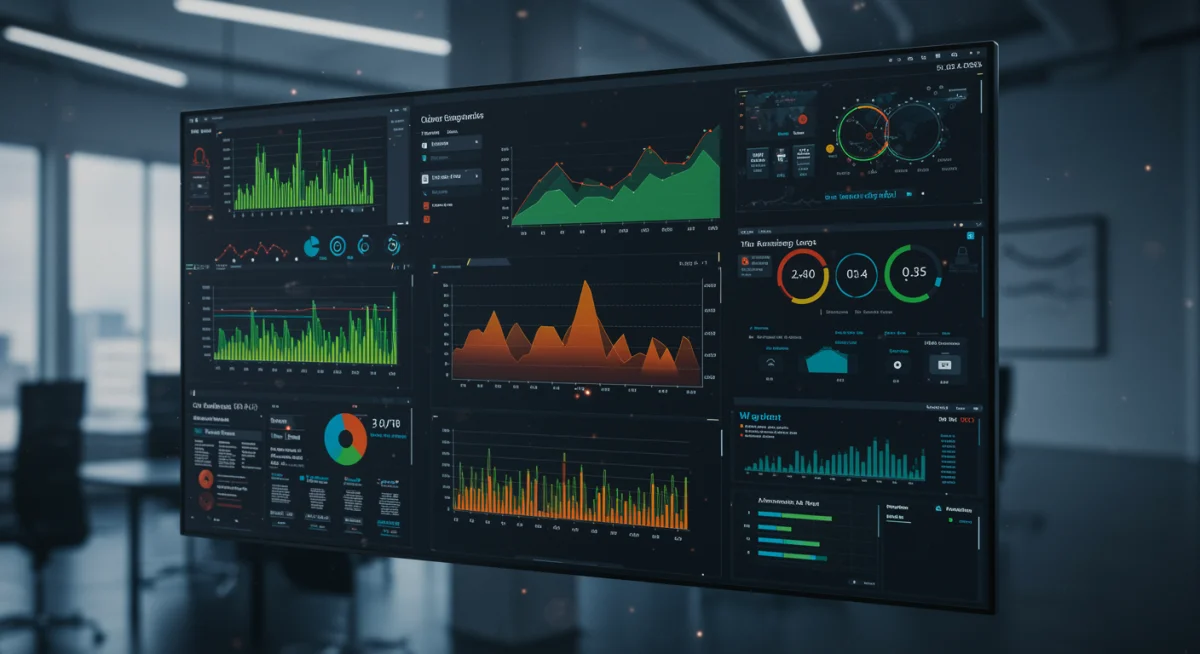
Even with advanced detection and proactive measures, breaches can still occur. When they do, the speed of response is paramount. AI-enhanced cybersecurity significantly reduces the time from detection to remediation through automated response mechanisms. This automation minimizes the window of opportunity for attackers and mitigates the damage caused by a successful breach.
Manual incident response can be slow and error-prone, especially in large, complex environments. AI can execute predefined response protocols at machine speed, isolating compromised systems, blocking malicious IP addresses, and even rolling back system changes to a pre-attack state, all without human intervention.
Intelligent Incident Response Automation
AI’s role in automated response includes:
- Threat Containment: Automatically isolating infected devices or segments of the network to prevent lateral movement of threats.
- Automated Blocking: Instantly blocking known malicious IP addresses, domains, and file hashes across the entire infrastructure.
- Self-Healing Networks: AI can restore compromised configurations or deploy patches without human oversight, ensuring minimal downtime.
This rapid response capability is critical for limiting the financial and reputational damage of a cyberattack. It allows security teams to focus on investigating the root cause and implementing long-term preventative measures, rather than being bogged down in manual remediation tasks. The efficiency and precision of AI in incident response are unmatched.
Furthermore, AI can learn from each incident, refining its response strategies over time. This continuous improvement cycle ensures that the automated remediation capabilities become more sophisticated and effective with every detected threat. The integration of AI into incident response workflows is transforming how organizations recover from cyber incidents, making the process faster, more efficient, and ultimately more resilient. It’s a critical component of a comprehensive AI-enhanced cybersecurity strategy.
Protecting Data with AI: Encryption and Access Control
At the heart of cybersecurity is the protection of sensitive data. AI plays a crucial role not only in detecting threats but also in strengthening the very mechanisms that safeguard data: encryption and access control. By intelligently managing these critical functions, AI ensures that data remains confidential, integral, and available only to authorized individuals, even in the face of sophisticated attacks.
Traditional encryption and access control systems, while foundational, can be rigid. AI introduces a layer of adaptability and intelligence, optimizing these processes and making them more resilient against evolving threats. This intelligent management of data security is vital in an era where data breaches can have devastating consequences.
AI-Driven Encryption Management
AI can enhance encryption by:
- Adaptive Encryption Policies: Dynamically adjusting encryption levels based on the sensitivity of the data and the context of its access.
- Automated Key Management: Securely managing and rotating encryption keys, reducing the risk of compromise.
- Anomaly Detection in Encrypted Traffic: Even without decrypting, AI can detect unusual patterns in encrypted data flows that might indicate malicious activity.
This intelligent approach ensures that data is protected with the appropriate level of security at all times, without hindering legitimate access. It moves beyond static encryption to a more fluid and responsive defense, adapting to changing circumstances and threats. The complexity of modern data environments demands this level of sophisticated management.
In addition to encryption, AI significantly improves access control. By continuously monitoring user behavior and access patterns, AI can detect and prevent unauthorized access attempts, even from compromised legitimate credentials. It implements a principle of least privilege, ensuring users only have access to the resources they absolutely need, and revokes access if suspicious behavior is detected. This robust data protection, powered by AI, forms an indispensable part of a comprehensive cybersecurity framework in 2026, creating a formidable barrier against both internal and external threats.
Challenges and Ethical Considerations in AI Cybersecurity
While the benefits of AI in cybersecurity are undeniable, its implementation is not without challenges and ethical considerations. The power of AI brings with it responsibilities, and addressing these aspects is crucial for the successful and ethical deployment of these advanced technologies. Navigating these complexities requires careful planning and continuous oversight to ensure AI serves as a force for good in the digital realm.
One of the primary concerns is the potential for AI systems to inherit biases from their training data, leading to unfair or discriminatory outcomes. Another significant challenge involves the ‘black box’ nature of some AI algorithms, making it difficult to understand how they arrive at certain decisions, which can hinder accountability and trust.
Key Challenges in AI Cybersecurity Adoption
Organizations face several hurdles when integrating AI into their cybersecurity infrastructure:
- Data Quality and Quantity: AI models require vast amounts of high-quality, relevant data for effective training, which can be challenging to acquire and maintain.
- Complexity and Integration: Integrating AI solutions with existing legacy systems can be complex and resource-intensive.
- Talent Gap: A shortage of skilled professionals who understand both cybersecurity and AI can impede effective deployment and management.
These challenges highlight the need for strategic investment in infrastructure, data governance, and workforce development. Without these foundational elements, the full potential of AI in cybersecurity may remain untapped. Addressing these practical difficulties is just as important as developing the AI itself.
Beyond technical challenges, ethical considerations loom large. The use of AI in surveillance, privacy implications of extensive data collection, and the potential for AI to be weaponized by malicious actors are serious concerns. Ensuring transparency, accountability, and human oversight in AI decision-making processes is paramount. Striking a balance between maximizing security benefits and upholding ethical standards is an ongoing dialogue that will shape the future of AI-enhanced cybersecurity. Responsible development and deployment are key to building trust and ensuring these powerful tools are used wisely.

The Future of AI in Cybersecurity: Trends for 2026 and Beyond
Looking ahead to 2026 and beyond, the role of AI in cybersecurity is set to expand dramatically. We are on the cusp of a new era where AI will not only detect and respond to threats but will also fundamentally reshape how we design and manage secure digital environments. The trends indicate a move towards more autonomous, self-healing, and universally integrated security solutions, marking a profound evolution in data protection.
The convergence of AI with other emerging technologies like blockchain and quantum computing promises even more robust and resilient security architectures. This synergy will create layered defenses that are exponentially more difficult for attackers to penetrate, establishing a new gold standard for digital safety.
Emerging Trends in AI-Enhanced Cybersecurity
Several key trends will define the future of AI in cybersecurity:
- Autonomous Security Systems: AI systems will increasingly operate with minimal human intervention, making real-time decisions and executing complex defense strategies autonomously.
- Explainable AI (XAI): Greater emphasis will be placed on developing AI models that can explain their decisions, enhancing trust and enabling better human oversight.
- AI-Driven Zero Trust Architectures: AI will be integral to implementing and enforcing zero-trust principles, continuously verifying identity and access based on real-time risk assessments.
- Quantum-Resistant Cryptography with AI: AI will assist in developing and deploying cryptographic solutions that can withstand attacks from future quantum computers, securing data for decades to come.
These trends point towards a future where cybersecurity is not just a feature but an intrinsic, intelligent layer woven into the fabric of every digital interaction. The proactive capabilities of AI will continue to grow, shifting the balance of power further towards defenders. The integration of AI into every facet of security operations will be commonplace.
Moreover, AI will play a critical role in fostering a culture of security awareness, personalized training, and adaptive security policies that evolve with user behavior and threat intelligence. The continuous learning and adaptation capabilities of AI will ensure that security measures remain effective against increasingly sophisticated and rapidly changing attack methods. The future of AI-enhanced cybersecurity: Protect Your Data with Advanced Threat Detection in 2026 is one of profound transformation, promising a more secure and resilient digital future for all.
| Key Aspect | Brief Description |
|---|---|
| Advanced Threat Detection | AI uses machine learning to identify subtle anomalies and zero-day exploits missed by traditional systems. |
| Proactive Defense | AI predicts future attack vectors and vulnerabilities, enabling preemptive security measures. |
| Automated Response | AI enables rapid containment and remediation of threats, minimizing breach impact and recovery time. |
| Ethical Considerations | Addressing biases, transparency, and responsible deployment are crucial for AI in cybersecurity. |
Frequently Asked Questions About AI-Enhanced Cybersecurity
AI improves threat detection by analyzing vast amounts of data for anomalies and behavioral patterns, rather than relying solely on known signatures. This allows it to identify novel, zero-day threats and sophisticated attacks that bypass traditional, rule-based systems, offering a more dynamic and predictive defense mechanism.
AI in proactive cybersecurity enables predictive analytics, allowing organizations to anticipate future attack vectors and vulnerabilities. It helps prioritize patching, simulate attack scenarios, and fortify defenses before a breach occurs, transforming cybersecurity from a reactive measure to a strategic, forward-thinking discipline.
While AI can automate significant portions of cybersecurity responses, such as threat containment and automated blocking, full automation without human oversight is still evolving. Human security analysts remain crucial for complex incident investigation, strategic decision-making, and ethical considerations, working in tandem with AI systems.
Ethical concerns include potential biases in AI algorithms leading to discriminatory outcomes, the ‘black box’ problem of opaque decision-making, privacy implications from extensive data collection, and the risk of AI being misused by malicious actors. Ensuring transparency, accountability, and human oversight is paramount.
In 2026 and beyond, AI will drive autonomous security systems, enhance explainable AI (XAI), and be central to zero-trust architectures. It will also assist in developing quantum-resistant cryptography, creating more resilient, self-healing, and universally integrated security solutions that profoundly transform data protection globally.
Conclusion
The digital world is relentlessly evolving, and with it, the complexities of safeguarding our data. AI-enhanced cybersecurity: Protect Your Data with Advanced Threat Detection in 2026 is not merely an upgrade but a fundamental paradigm shift in how we approach digital defense. From predictive threat intelligence to automated response and intelligent data protection, AI offers unprecedented capabilities to stay ahead of sophisticated cyber threats. While challenges and ethical considerations remain, the trajectory is clear: AI is indispensable for building resilient, adaptive, and proactive cybersecurity frameworks. Embracing these advanced AI tools will be crucial for any organization aiming to secure its digital future against an ever-more ingenious adversary.