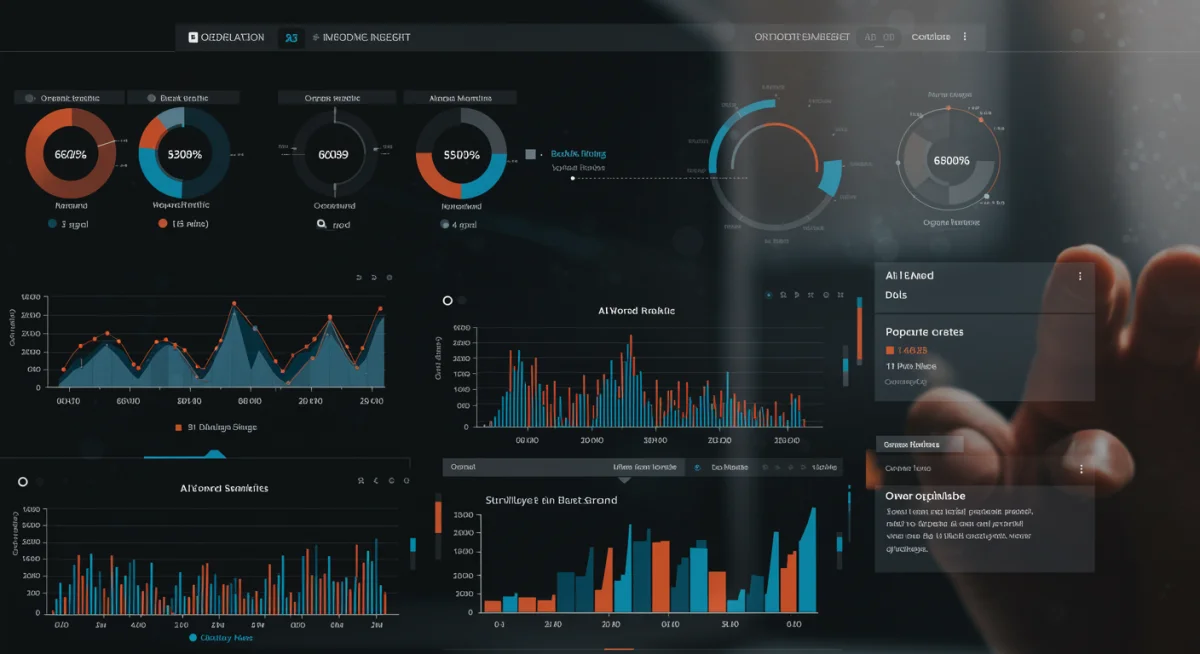
Mastering AI-Powered SEO: Your 2026 Guide to Boosting Ranking
Mastering AI-Powered SEO: A 2026 Guide to Boosting Your Website Ranking explores how artificial intelligence is revolutionizing search engine optimization, offering advanced strategies for businesses to achieve higher organic visibility and sustained growth in the evolving digital landscape.
By: adminwp2 on April 17, 2026
Advertisements
Mastering AI-Powered SEO: A 2026 Guide to Boosting Your Website Ranking is crucial for businesses aiming to stay competitive, as AI redefines search algorithms, content creation, and user experience to drive unparalleled organic visibility and growth.
In the rapidly evolving digital landscape, understanding and implementing AI-Powered SEO 2026 strategies is no longer optional; it’s a fundamental requirement for sustained online visibility. As search engines become increasingly sophisticated, leveraging artificial intelligence offers an unparalleled advantage in optimizing your website for higher rankings. This comprehensive guide will illuminate the path to harnessing AI’s power to elevate your SEO efforts, ensuring your digital presence thrives in the competitive year of 2026 and beyond.
The Evolution of Search: How AI is Reshaping SEO
The journey of search engine optimization has been one of continuous evolution, from rudimentary keyword stuffing to complex algorithmic analysis. Today, AI stands at the forefront of this transformation, fundamentally reshaping how search engines interpret, rank, and present information. Understanding this shift is the first step in mastering AI-Powered SEO for 2026, enabling you to adapt your strategies proactively rather than reactively.
Artificial intelligence, through machine learning and natural language processing (NLP), has empowered search engines like Google to move beyond simple keyword matching. They now prioritize user intent, contextual relevance, and the overall quality of content with unprecedented accuracy. This means that SEO professionals must shift their focus from purely technical optimizations to a more holistic approach that integrates AI-driven insights into every aspect of their strategy.
Understanding AI’s Impact on Ranking Factors
AI’s influence on search ranking factors is profound. Algorithms are now capable of understanding nuances in language, identifying patterns in user behavior, and even predicting future trends. This has led to a greater emphasis on creating truly valuable and authoritative content that directly addresses user needs.
User Experience (UX): AI analyzes user interactions like dwell time, bounce rate, and click-through rates to gauge content quality and relevance. A superior UX is a strong signal for higher rankings.
Content Quality and Relevance: AI-powered NLP enables search engines to deeply understand content, assessing its accuracy, comprehensiveness, and semantic relevance to user queries.
E-E-A-T (Experience, Expertise, Authoritativeness, Trustworthiness): AI algorithms are increasingly adept at identifying and rewarding content that demonstrates these critical qualities, making them central to any successful SEO strategy.
The integration of AI into search algorithms demands a more sophisticated and human-centric approach to SEO. It’s about creating an exceptional experience for your audience while simultaneously providing search engines with the clear signals they need to understand and rank your content appropriately. This foundational shift sets the stage for all future AI-driven SEO endeavors.
Leveraging AI for Advanced Keyword Research and Content Strategy
Traditional keyword research, while still important, has been significantly enhanced by AI. In 2026, AI tools allow for a much deeper understanding of user intent, semantic relationships, and emerging trends, enabling a more precise and effective content strategy. This advanced approach is vital for anyone aiming to excel in AI-Powered SEO 2026.
AI-driven platforms can analyze vast datasets of search queries, social media conversations, and competitor content to uncover opportunities that human analysis might miss. They can identify long-tail keywords with high conversion potential, group related topics into content clusters, and even predict the future popularity of certain terms. This predictive capability is a game-changer for staying ahead of the curve.
AI Tools for Intent-Based Keyword Discovery
The core of AI-powered keyword research lies in understanding user intent. Rather than just identifying keywords, AI helps decipher the ‘why’ behind a search query, categorizing intent as informational, navigational, transactional, or commercial investigation.
Semantic Search Analysis: AI tools can map semantic relationships between keywords, helping you target broader topics and answer related questions users might have.
Predictive Trend Analysis: Machine learning algorithms can forecast the rise and fall of search terms, allowing you to create content around emerging topics before your competitors.
Competitor Keyword Gap Analysis: AI can quickly identify keywords your competitors rank for but you don’t, highlighting immediate opportunities for content creation.
By focusing on intent, you move beyond simply matching words to providing comprehensive answers and solutions that truly satisfy user needs, a key factor in AI-driven search ranking. This strategic shift ensures your content resonates deeply with your target audience and aligns perfectly with evolving search algorithms.
Furthermore, AI assists in structuring content to maximize its visibility. It can suggest optimal content lengths, recommend internal linking strategies, and even pinpoint areas where your content might lack depth compared to top-ranking pages. This analytical prowess allows for the creation of highly optimized, authoritative content that stands out in a crowded digital space. Integrating these AI capabilities into your content workflow ensures that every piece of content is strategically designed for maximum impact and sustained organic growth.
AI-Driven Content Creation and Optimization for Higher Rankings
In 2026, AI is no longer just assisting with content ideas; it’s actively participating in the creation and refinement process. From drafting initial outlines to optimizing existing content for semantic relevance, AI-powered tools are becoming indispensable for any serious SEO practitioner. This integration is crucial for Mastering AI-Powered SEO: A 2026 Guide to Boosting Your Website Ranking.
These advanced tools can generate content faster, ensure consistency in tone and style, and even identify potential biases or gaps in your narrative. By offloading repetitive tasks to AI, content creators can focus on strategic thinking, quality control, and adding the unique human touch that AI cannot replicate.
Automating Content Generation with AI
While AI won’t replace human creativity entirely, it can significantly streamline the content creation workflow. AI writing assistants can generate outlines, draft paragraphs, and even create entire articles based on specified keywords and topics.
Outline Generation: AI can quickly produce structured outlines, ensuring all relevant subtopics are covered and logically organized.
Drafting and Expansion: Tools can generate initial drafts for blog posts, product descriptions, or social media updates, saving significant time.
Tone and Style Consistency: AI can be trained to maintain a consistent brand voice across all generated content, crucial for brand identity.
Beyond creation, AI excels at optimizing existing content. It can analyze your current articles against top-ranking competitors, suggesting improvements for keyword density, readability, and semantic completeness. This iterative optimization process, guided by AI, ensures your content remains competitive and relevant over time.
Personalization and User Experience with AI in SEO
The future of SEO is deeply intertwined with personalization. AI enables websites to deliver highly tailored experiences, which in turn leads to improved user engagement, lower bounce rates, and ultimately, better search rankings. For those focused on AI-Powered SEO 2026, understanding this dynamic is paramount.
AI algorithms can analyze individual user behavior, preferences, and historical data to present content, products, or services that are most relevant to them. This hyper-personalization not only enhances the user journey but also sends strong positive signals to search engines about the value and relevance of your website.
Delivering Tailored Experiences Through AI
Personalization goes beyond simply addressing a user by their name. It involves dynamically adapting website content, recommendations, and even navigation based on their unique profile and real-time interaction.
Dynamic Content Delivery: AI can display different versions of a webpage or content block based on a user’s location, previous interactions, or inferred interests.
Personalized Recommendations: E-commerce sites and content platforms can use AI to suggest products or articles that align with individual user preferences, increasing engagement and conversions.
Adaptive Search Results: While search engines personalize results, websites can also offer internal search experiences that adapt to a user’s query history and preferences.
A seamless and personalized user experience is a powerful ranking factor in the AI-driven search landscape. Websites that can anticipate user needs and deliver relevant information efficiently will be favored by both users and search algorithms. Investing in AI-powered personalization tools is a strategic move that pays dividends in engagement, conversions, and organic visibility.
Moreover, AI can identify pain points in the user journey by analyzing heatmaps, click paths, and session recordings. This data-driven approach allows for continuous optimization of the user interface and overall experience, ensuring that every visitor finds what they are looking for with minimal friction. The result is a website that not only ranks well but also converts effectively, embodying the true spirit of advanced SEO in 2026.
The Role of Technical SEO and AI in 2026
While content and user experience often grab the headlines, robust technical SEO remains the backbone of any successful online strategy. In 2026, AI is beginning to play a crucial role in enhancing technical SEO, making it more efficient, precise, and proactive. This synergy is key for Mastering AI-Powered SEO: A 2026 Guide to Boosting Your Website Ranking.
AI tools can automate complex technical audits, identify obscure crawl errors, and even predict potential issues before they impact rankings. This allows SEO professionals to maintain a pristine website health, ensuring search engines can easily access, index, and understand their content.
AI-Powered Technical Audits and Optimization
Traditional technical SEO audits can be time-consuming and prone to human error. AI significantly reduces this burden, offering comprehensive and continuous monitoring of a website’s technical health.
Automated Site Audits: AI can continuously crawl your website, identifying issues like broken links, duplicate content, slow page speeds, and indexing problems in real-time.
Log File Analysis: AI can process vast log file data to understand how search engine bots interact with your site, revealing crawl budget inefficiencies and areas for improvement.
Schema Markup Generation: Advanced AI tools can assist in generating accurate and comprehensive schema markup, helping search engines better understand your content and display rich snippets.
Beyond identification, some AI platforms can even suggest specific code changes or configuration adjustments to resolve technical issues. This level of automation and insight allows technical SEO teams to focus on strategic initiatives rather than manual troubleshooting. Ensuring your website’s technical foundation is solid and optimized by AI is a non-negotiable aspect of achieving top rankings in 2026.
Furthermore, AI plays a significant role in optimizing website performance, particularly page load speed. By analyzing user behavior and server responses, AI can recommend optimal caching strategies, image compression techniques, and code minification, all contributing to a faster, more responsive site. A technically sound website, enhanced by AI, provides a superior experience for both users and search engine crawlers, cementing its position for high organic visibility.
Measuring Success: Analytics, Reporting, and AI Insights
In the world of AI-Powered SEO 2026, measuring success goes far beyond simple traffic metrics. AI-driven analytics and reporting tools provide deeper insights into performance, allowing for more informed decision-making and continuous optimization. Understanding how to leverage these tools is critical for demonstrating ROI and refining your SEO strategy.
AI can sift through mountains of data from various sources – Google Analytics, Search Console, CRM systems, and social media – to identify correlations, predict outcomes, and highlight actionable opportunities that human analysts might overlook. This predictive capability transforms raw data into strategic intelligence.
AI for Predictive Analytics and Performance Forecasting
Traditional analytics often tell you what happened. AI-powered analytics, however, can tell you what is likely to happen and why, enabling proactive adjustments to your strategy.
Trend Prediction: AI models can forecast future search trends, traffic fluctuations, and even potential algorithm updates, allowing you to prepare in advance.
Anomaly Detection: AI can quickly identify unusual drops or spikes in traffic, rankings, or conversions, alerting you to potential issues or unexpected successes.
Attribution Modeling: Advanced AI can provide more accurate attribution models, helping you understand the true impact of different marketing channels on conversions.
The reporting capabilities of AI tools are equally impressive. They can generate customized reports that highlight key performance indicators (KPIs), explain complex data in understandable terms, and even suggest next steps based on their analysis. This level of insight empowers businesses to continuously refine their SEO efforts, ensuring maximum efficiency and impact.
By constantly monitoring and analyzing performance through an AI lens, you can continuously adapt your strategies to the ever-changing search landscape. This iterative process of analysis, adjustment, and re-evaluation is the cornerstone of sustainable SEO success in 2026. Without these advanced insights, navigating the complexities of AI-driven search would be akin to sailing without a compass.
Ethical Considerations and Future Trends in AI SEO
As AI becomes more integrated into SEO, ethical considerations and future trends become increasingly important. Navigating the evolving landscape of AI-Powered SEO 2026 requires not only technical prowess but also a strong understanding of responsible AI use and what lies ahead. This ensures sustainable and ethical growth for your digital presence.
The power of AI comes with the responsibility to use it wisely. Concerns around bias in AI-generated content, data privacy, and the potential for manipulative practices must be addressed. Adhering to ethical guidelines ensures long-term trust and avoids penalties from search engines that increasingly value transparency and fairness.
Navigating Ethical AI in SEO
Responsible AI implementation is crucial for maintaining integrity and effectiveness in your SEO strategies. Ignoring ethical considerations can lead to reputational damage and algorithmic penalties.
Bias Detection and Mitigation: Ensure AI content generation tools are free from biases that could alienate audiences or violate content guidelines.
Transparency in AI Use: Be transparent about when and how AI is used in content creation, especially if it directly impacts sensitive topics.
Data Privacy and Security: Implement robust measures to protect user data harnessed by AI tools, complying with regulations like GDPR and CCPA.
Looking ahead, several trends are poised to shape the future of AI SEO. The continued advancement of multimodal AI, which can process and generate content across text, images, and video, will open new avenues for optimization. Voice search and conversational AI will also become even more prominent, requiring SEO strategies to adapt to natural language queries and richer user interactions.
Ultimately, the future of AI SEO lies in a symbiotic relationship between human expertise and artificial intelligence. AI will handle the heavy lifting of data analysis, automation, and predictive insights, while human professionals will provide the creativity, strategic oversight, and ethical judgment necessary to truly excel. Staying informed about these trends and committing to ethical practices will be paramount for sustained success in 2026 and beyond.
Key Aspect
Brief Description
AI-Driven Keyword Research
Leveraging AI to uncover user intent, semantic relationships, and predictive trends for precise targeting.
Content Creation & Optimization
Using AI tools to generate outlines, draft content, and refine existing articles for semantic relevance and quality.
Personalized User Experience
Implementing AI to deliver tailored content and recommendations, enhancing engagement and signaling value to search engines.
Ethical AI in SEO
Addressing bias, ensuring transparency, and protecting data privacy to build trust and avoid algorithmic penalties.
Frequently Asked Questions About AI-Powered SEO in 2026
What is AI-Powered SEO and why is it important for 2026?▼
AI-Powered SEO involves using artificial intelligence and machine learning to enhance various aspects of search engine optimization, from keyword research to content creation and technical audits. It’s crucial for 2026 because AI now drives search engine algorithms, making traditional SEO less effective without AI integration.
How does AI affect keyword research and content strategy?▼
AI revolutionizes keyword research by focusing on user intent and semantic relationships rather than just individual keywords. It helps identify emerging trends, analyze competitor gaps, and cluster topics, leading to more targeted and effective content strategies that resonate with AI-driven search algorithms.
Can AI create content that ranks well?▼
Yes, AI can assist in content creation by generating outlines, drafting paragraphs, and optimizing existing content for SEO. While AI excels at efficiency and consistency, human oversight is still essential to ensure creativity, accuracy, and adherence to E-E-A-T principles, which are critical for high rankings.
What role does AI play in improving user experience for SEO?▼
AI significantly enhances user experience by enabling personalization. It analyzes user behavior to deliver tailored content, product recommendations, and adaptive navigation. This personalization leads to increased engagement, lower bounce rates, and stronger positive signals to search engines, ultimately boosting rankings.
Are there ethical concerns to consider when using AI for SEO?▼
Absolutely. Ethical considerations include avoiding AI-generated content bias, ensuring transparency about AI usage, and safeguarding user data privacy. Adhering to these principles is vital for building trust with your audience and search engines, preventing potential penalties, and fostering sustainable growth.
Conclusion
The journey to Mastering AI-Powered SEO: A 2026 Guide to Boosting Your Website Ranking is one of continuous learning and adaptation. As artificial intelligence continues to redefine the digital landscape, embracing AI tools and strategies is no longer a competitive edge but a foundational necessity. By integrating AI into every facet of your SEO efforts—from advanced keyword research and intelligent content creation to personalized user experiences and robust technical optimizations—you can ensure your website not only achieves higher rankings but also sustains long-term organic growth. The future of search is intelligent, and your SEO strategy must be too.