AI-powered personalization revolutionizes customer engagement by delivering uniquely tailored experiences, leading to a significant boost in satisfaction and conversion rates, often exceeding 45% improvement.
By: adminwp2 on April 17, 2026
Advertisements
AI-powered personalization leverages advanced algorithms to create unique, relevant experiences for individual users, directly impacting satisfaction and driving engagement metrics up by as much as 45% across various industries.
In today’s hyper-connected digital landscape, generic approaches are quickly becoming obsolete. Consumers expect experiences that resonate deeply with their individual needs and preferences. This is where AI-powered personalization emerges not just as a trend, but as a fundamental shift in how businesses connect with their audience. Imagine a world where every interaction feels uniquely crafted for you, leading to increased satisfaction and tangible business growth. This article delves into how AI is making this a reality, driving engagement rates up by an impressive 45%.
Understanding AI-Powered Personalization
AI-powered personalization involves using artificial intelligence and machine learning algorithms to analyze vast amounts of customer data, understand individual behaviors, and then deliver highly relevant and unique experiences. This goes far beyond simple segmentation, moving towards a granular, one-to-one interaction that anticipates needs and preferences.
At its core, this technology processes historical data, real-time interactions, and contextual information to construct a comprehensive profile of each user. This profile then informs decisions on what content, products, services, or communications are most likely to be effective for that specific individual. The result is a deeply engaging and often predictive user experience that feels intuitive and organic rather than intrusive.
The continuous learning nature of AI is crucial here; as more data is collected and analyzed, the personalization models become increasingly sophisticated and accurate. This iterative process ensures that experiences remain fresh, relevant, and continually optimized for maximum impact. Understanding these foundational aspects is key to unlocking the full potential of AI in driving customer engagement.
The Mechanics of AI-Driven Personalization: How It Works
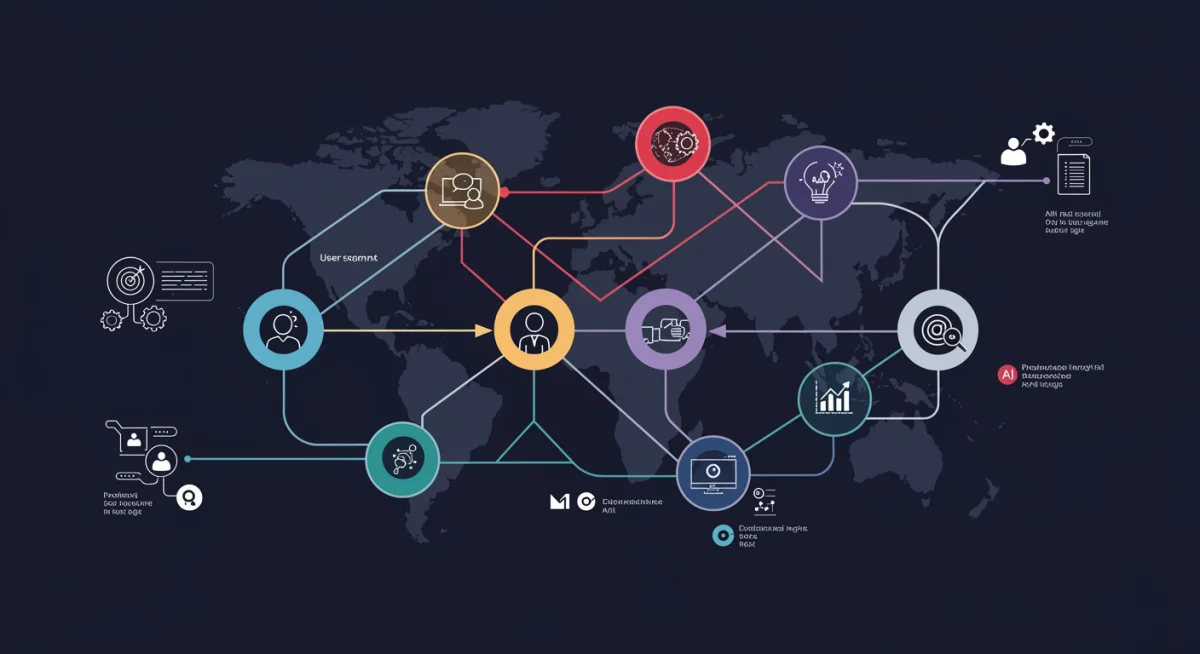
The journey of AI-driven personalization begins with data collection and ends with a tailored interaction, all orchestrated by complex algorithms. It’s a multi-stage process that continuously refines its understanding of each user.
Data Collection and Analysis
The first step involves gathering diverse data points from various sources. This can include browsing history, purchase behavior, demographic information, interaction with marketing campaigns, geographic location, and even emotional responses. AI systems then employ advanced analytics to identify patterns and insights within this data.
Behavioral Data: Tracks clicks, views, time spent, and navigation paths.
Transactional Data: Records past purchases, returns, and payment methods.
Demographic Data: Includes age, gender, location, and income.
Contextual Data: Considers device type, time of day, and current weather.
These data points are not merely stored; they are actively processed by machine learning models to build dynamic customer profiles. These profiles are far more nuanced than traditional static segments, evolving with every new interaction.
Algorithm Application and Recommendation Engines
Once data is analyzed, AI algorithms come into play to generate personalized recommendations and experiences. These algorithms can range from collaborative filtering, which suggests items based on similar users’ preferences, to content-based filtering, which recommends items similar to those a user has liked in the past.
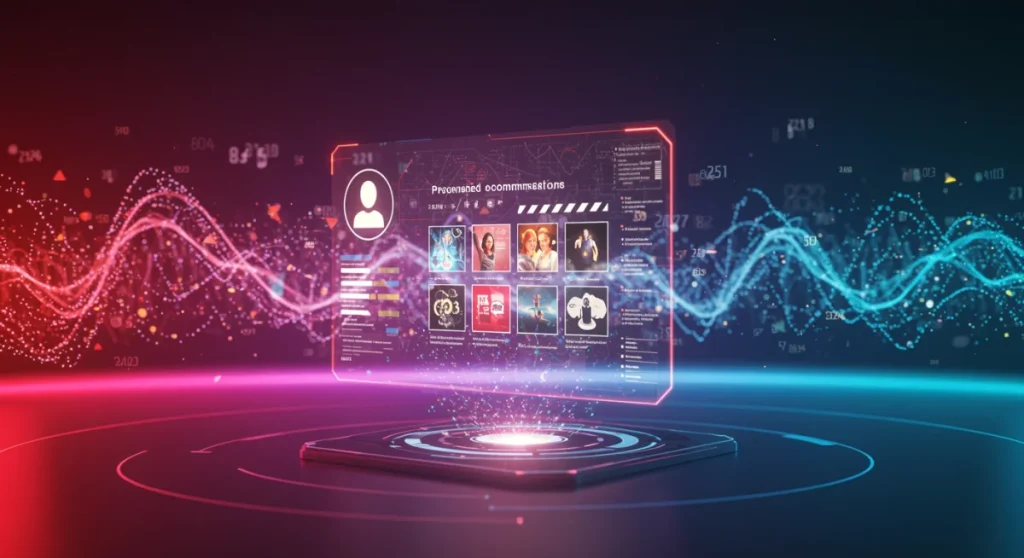
Recommendation engines are the workhorses of AI personalization, dynamically suggesting products, articles, videos, or even services. They learn from implicit and explicit feedback, constantly adjusting their predictions. This continuous feedback loop ensures that the personalization remains relevant and responsive to changing user tastes.
The mechanics behind these systems are incredibly powerful, allowing businesses to predict future needs and offer solutions proactively. This predictive capability is a significant differentiator, transforming passive browsing into an active, guided discovery. Ultimately, it’s about making the customer feel understood and valued, leading to stronger loyalty and increased engagement.
Boosting Engagement: The 45% Advantage
The promise of a 45% boost in engagement through AI-powered personalization isn’t an exaggeration; it’s a testament to the profound impact of truly understanding and catering to individual customer needs. This significant uplift stems from several key areas where personalization excels.
Increased Relevance and Reduced Friction
When content, product recommendations, or even email communications are highly relevant to a user, their likelihood of engaging increases dramatically. AI removes the guesswork, presenting exactly what a customer is most likely to be interested in, thereby reducing the mental effort required to find value. This reduction in friction makes the entire customer journey smoother and more enjoyable.
Personalized Product Recommendations: Drives higher click-through rates and conversion.
Tailored Content Feeds: Keeps users on platforms longer by showing relevant articles or videos.
Customized Email Campaigns: Achieves better open rates and engagement than generic blasts.
By constantly adapting to user behavior, AI ensures that every touchpoint feels intuitive and valuable, making customers more inclined to interact further. This level of relevance fosters a sense of being understood, which is invaluable in building lasting relationships.
Enhanced Customer Experience and Loyalty
Beyond immediate engagement, AI-powered personalization significantly elevates the overall customer experience, cultivating deeper loyalty. When customers consistently receive value that aligns with their preferences, they develop a stronger connection with the brand.
This enhanced experience translates into higher customer satisfaction, reduced churn rates, and an increased willingness to advocate for the brand. The 45% engagement boost is not just about a single interaction; it’s about building a cumulative positive experience that reinforces loyalty over time. Businesses can leverage this to create a virtuous cycle where personalized experiences lead to more engagement, which in turn provides more data for even better personalization.
The ability of AI to create these rich, individualized experiences is a game-changer for businesses looking to stand out in crowded markets and forge unbreakable bonds with their customer base. It transforms transactional relationships into meaningful, long-term partnerships.
Key Applications Across Industries
AI-powered personalization is not confined to a single sector; its transformative potential spans across various industries, reshaping how businesses interact with their customers and drive engagement. From retail to media, the applications are diverse and impactful.
Retail and E-commerce
In retail, AI personalization is perhaps most visible. It powers product recommendations on e-commerce sites, dynamically adjusts pricing, and even personalizes the entire shopping experience. Imagine a website that reorders its layout based on your past browsing, or an app that sends you notifications about sales on items you’ve previously shown interest in.
This level of tailored interaction significantly increases conversion rates and average order value. By understanding individual shopping habits, AI can also optimize inventory management and predict future demand, leading to more efficient operations and satisfied customers. The shift from mass marketing to hyper-individualized shopping journeys is a direct result of AI’s capabilities.
Media and Entertainment
Streaming services like Netflix and Spotify are prime examples of AI personalization in action. Their recommendation engines are legendary, suggesting movies, TV shows, and music based on viewing/listening history, ratings, and even the time of day. This keeps users engaged for longer periods and encourages exploration of new content they are likely to enjoy.
Content Recommendations: Suggests movies, shows, or music based on user preferences.
Personalized Playlists/Feeds: Curates unique streams of content for each user.
Dynamic Ad Placement: Shows ads relevant to the user’s interests, increasing efficacy.
The ability to curate an endless stream of relevant content is what drives subscription retention and user satisfaction in the highly competitive media landscape. AI ensures that users always find something they love, minimizing the effort of searching and maximizing enjoyment.
Challenges and Considerations in Implementation
While the benefits of AI-powered personalization are undeniable, its successful implementation comes with its own set of challenges and considerations. Navigating these hurdles is crucial for maximizing positive outcomes and avoiding potential pitfalls.
Data Privacy and Ethical Concerns
Collecting vast amounts of customer data, while essential for personalization, raises significant privacy concerns. Businesses must be transparent about data collection practices and ensure compliance with regulations like GDPR and CCPA. Ethical considerations also extend to avoiding discriminatory practices or creating filter bubbles that limit exposure to diverse viewpoints.
Building trust with customers regarding their data is paramount. Any misstep can lead to severe reputational damage and a loss of customer loyalty. Therefore, a robust data governance framework and clear communication about data usage are not just good practice, but necessities.
Technical Complexity and Integration
Implementing sophisticated AI personalization systems requires significant technical expertise and infrastructure. Integrating AI tools with existing CRM systems, marketing platforms, and e-commerce platforms can be complex and time-consuming. Data silos, incompatible systems, and a lack of skilled personnel can all impede progress.
Businesses often need to invest in data engineers, AI specialists, and robust cloud infrastructure to support these initiatives. The initial setup cost and ongoing maintenance can be substantial, making careful planning and a phased approach essential for successful deployment. Overcoming these technical challenges is critical for unlocking the full potential of personalization.
Best Practices for Effective AI Personalization
To truly harness the power of AI-powered personalization and achieve that significant boost in engagement, businesses must adopt a strategic approach grounded in best practices. It’s not just about deploying technology, but about integrating it thoughtfully into the overall customer strategy.
Start with Clear Objectives and Data Strategy
Before diving into AI tools, define what you aim to achieve. Are you looking to increase conversions, reduce churn, or enhance customer satisfaction? Clear objectives will guide your data collection and algorithm choices. Develop a comprehensive data strategy that outlines what data will be collected, how it will be stored, and how it will be used ethically and effectively.
A well-defined data strategy ensures that you are collecting the right type of data to fuel your personalization efforts, avoiding the trap of collecting data for data’s sake. This foundational step is critical for building a robust and impactful personalization engine.
Embrace Continuous Optimization and A/B Testing
AI models are not static; they require continuous monitoring, evaluation, and optimization. Regularly analyze the performance of your personalized campaigns, looking at metrics like engagement rates, conversion rates, and customer feedback. A/B testing different personalization strategies can provide valuable insights into what resonates most with your audience.
This iterative process of testing and refining ensures that your personalization efforts remain effective and adapt to changing customer behaviors and market dynamics. Without continuous optimization, even the most advanced AI models can become stale, losing their edge over time.
By adhering to these best practices, businesses can move beyond mere implementation to truly master AI-powered personalization, transforming customer interactions and driving measurable business growth. The journey is ongoing, but the rewards, including a 45% engagement boost, are well worth the effort.
The Future of Personalized Experiences with AI
The landscape of customer experience is continually evolving, and AI is at the forefront of this transformation. As technology advances, the future of personalized experiences promises even greater sophistication, predictive capabilities, and seamless integration into our daily lives.
Hyper-Personalization and Predictive Analytics
We are moving towards an era of hyper-personalization, where AI not only understands current preferences but also predicts future needs and desires with remarkable accuracy. This involves analyzing not just explicit data, but also subtle cues, emotional states, and even physiological responses to tailor experiences in real-time.
Imagine your smart home anticipating your mood and adjusting lighting, music, and even temperature to create the perfect ambiance. Or an e-commerce site that knows you’re about to run out of a product before you do and offers a timely, personalized reorder option. Predictive analytics, powered by advanced AI, will make these scenarios commonplace, creating truly anticipatory and intuitive user journeys.
Proactive Service: AI anticipates customer issues before they arise, offering solutions.
Emotional AI: Systems detect user sentiment to adjust interaction styles.
Contextual Awareness: Personalization adapts to location, time, and current activities.
This level of foresight will redefine convenience and relevance, making every interaction feel less like a transaction and more like a helpful, intuitive conversation. The goal is to make technology disappear into the background, leaving only a perfectly tailored experience.
Ethical AI and Trust Building
As personalization becomes more pervasive, the ethical considerations around AI will grow in importance. The future will demand a stronger focus on explainable AI, ensuring that users understand how and why certain recommendations are made. Transparency and user control over data will become non-negotiable components of any successful personalization strategy.
Building trust will be paramount. Companies that prioritize ethical AI development, respect user privacy, and empower individuals with control over their personalized experiences will be the ones that thrive. The future of personalized experiences isn’t just about technological advancement; it’s about fostering a symbiotic relationship between AI and human values, ensuring that innovation serves humanity responsibly.
The journey towards truly intelligent personalization is an exciting one, offering unprecedented opportunities to create value for both businesses and consumers. By embracing these advancements responsibly, we can look forward to a future where every digital interaction is a uniquely tailored, engaging, and trustworthy experience.
Key Point
Brief Description
Core Concept
AI analyzes data to deliver unique, relevant experiences to individual users.
Engagement Boost
Studies show AI personalization can increase customer engagement by up to 45%.
Key Challenges
Navigating data privacy, ethical concerns, and technical integration complexities.
Future Outlook
Moving towards hyper-personalization, predictive analytics, and ethical AI frameworks.
Frequently Asked Questions About AI Personalization
What exactly is AI-powered personalization?▼
AI-powered personalization uses artificial intelligence to analyze individual customer data and deliver highly relevant content, product recommendations, and experiences. It moves beyond basic segmentation to create a unique interaction for each user, adapting in real time to their evolving preferences and behaviors.
How does AI personalization boost engagement?▼
It boosts engagement by increasing relevance, reducing friction in the customer journey, and enhancing the overall user experience. When content and offers are highly tailored, customers are more likely to interact, convert, and develop loyalty, leading to significant uplifts in key metrics.
What are the main challenges in implementing AI personalization?▼
Key challenges include managing data privacy and ethical concerns, ensuring compliance with regulations, and overcoming technical complexities related to integrating AI systems with existing infrastructure. A lack of skilled personnel and significant upfront investment can also be hurdles.
Which industries benefit most from AI personalization?▼
Industries like retail, e-commerce, media, entertainment, finance, and healthcare significantly benefit. Any sector that relies on understanding individual customer preferences and delivering tailored services or content can see substantial improvements in engagement and satisfaction.
What is the future outlook for AI-powered personalization?▼
The future involves hyper-personalization, leveraging predictive analytics to anticipate needs, and a stronger emphasis on ethical AI. This means more seamless, intuitive, and trustworthy experiences that proactively cater to individual desires while respecting privacy and user control.
Conclusion
The journey towards truly personalized customer experiences is being profoundly shaped by artificial intelligence. As we’ve explored, AI-powered personalization is not merely a technological advancement; it’s a strategic imperative for businesses aiming to thrive in a competitive digital world. By meticulously analyzing data and delivering uniquely tailored interactions, AI helps foster deeper connections with customers, leading to a remarkable boost in engagement, often exceeding 45%. While challenges surrounding data privacy and technical integration exist, the path forward is clear: embrace ethical AI, prioritize continuous optimization, and commit to understanding your audience at an individual level. The future of customer interaction is personal, intelligent, and driven by the unparalleled capabilities of AI.