Automated Customer Service: Reduce Response Time by 60% with AI Chatbots
AI chatbots significantly reduce customer service response times by up to 60%, streamlining operations and improving customer satisfaction through instant, 24/7 support and efficient issue resolution.
By: adminwp2 on April 17, 2026
Advertisements
In today’s fast-paced digital landscape, customer expectations are higher than ever. Businesses are constantly seeking innovative ways to meet these demands, and one technology stands out: AI chatbots customer service. Imagine reducing your customer response time by a staggering 60% while simultaneously enhancing service quality and operational efficiency. This isn’t a futuristic dream; it’s the tangible reality that AI chatbots are bringing to the forefront of modern customer engagement.
The Unstoppable Rise of AI Chatbots in Customer Service
The landscape of customer service has undergone a profound transformation, largely driven by the integration of artificial intelligence. AI chatbots are no longer just novelties; they are indispensable AI tools that are redefining how businesses interact with their clientele, offering immediate, consistent, and scalable support.
This evolution is not merely about automation; it’s about intelligent automation that learns, adapts, and improves over time. The fundamental shift lies in moving from reactive problem-solving to proactive engagement, anticipating customer needs before they fully articulate them. This paradigm shift is critical for businesses aiming to stay competitive and foster strong customer loyalty.
Understanding the Core Mechanics of AI Chatbots
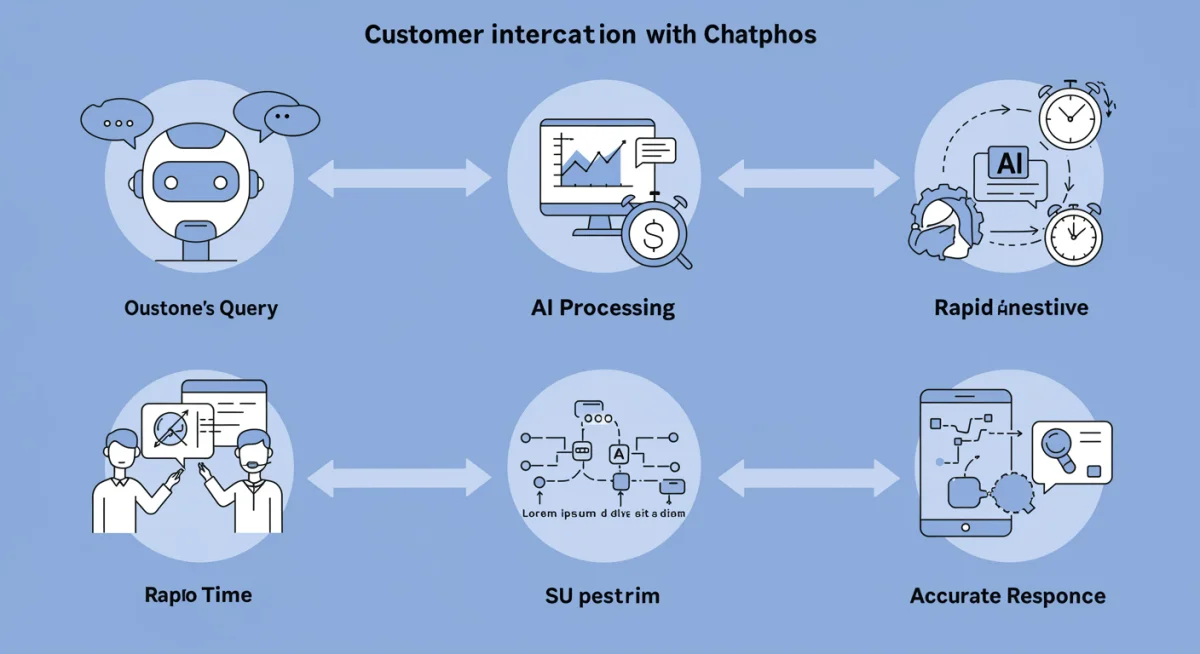
At their heart, AI chatbots leverage sophisticated algorithms and natural language processing (NLP) to understand and respond to human language. This allows them to interpret customer queries, extract intent, and provide relevant information or actions, often indistinguishable from human interaction in basic scenarios.
Natural Language Processing (NLP): Enables chatbots to comprehend and generate human-like text.
Machine Learning (ML): Allows chatbots to learn from past interactions, improving accuracy and relevance over time.
Sentiment Analysis: Helps chatbots detect the emotional tone of a customer, allowing for more empathetic responses.
Integration Capabilities: Seamlessly connect with CRM systems, knowledge bases, and other business tools for comprehensive support.
The ability of these platforms to integrate with existing customer relationship management (CRM) systems and knowledge bases is what truly unlocks their potential. This seamless data flow ensures that chatbots have access to a wealth of information, from customer profiles to product specifications, enabling them to offer highly personalized and accurate support. Such integrations are crucial for providing a unified customer experience across all touchpoints.
In conclusion, the ascent of AI chatbots is a testament to their efficacy in modern customer service. They offer a blend of speed, intelligence, and scalability that traditional methods struggle to match, setting a new standard for customer engagement in the digital age.
Drastically Reducing Response Times: The 60% Advantage
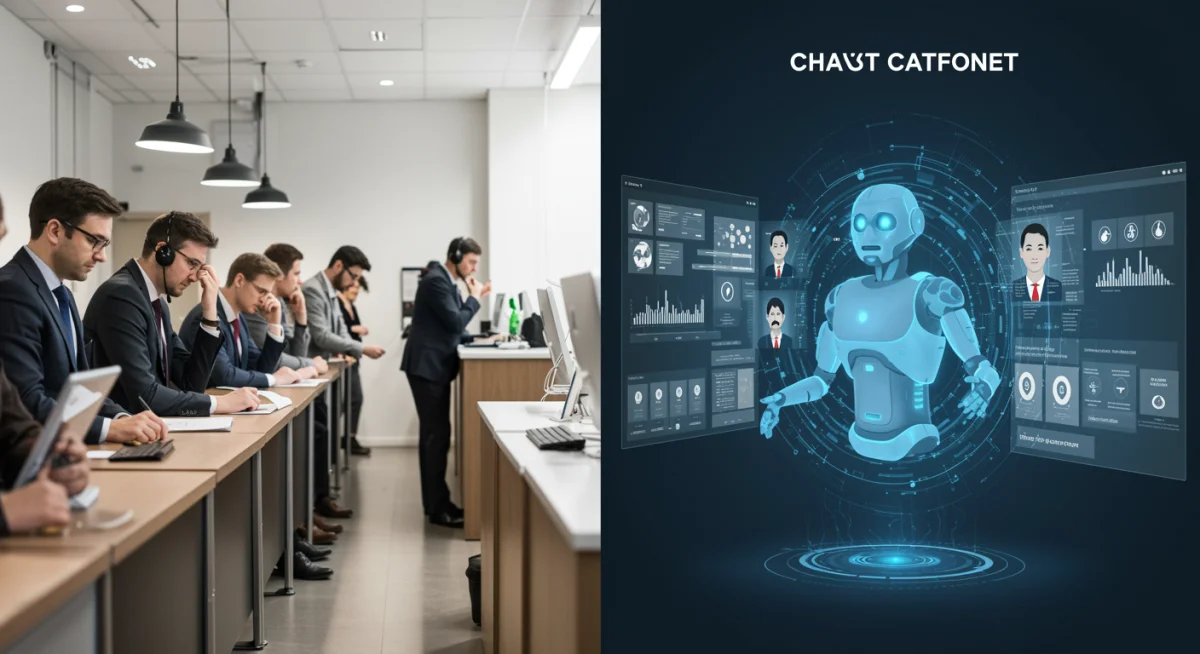
One of the most compelling benefits of deploying AI chatbots is their unparalleled ability to slash customer response times. In an era where instant gratification is the norm, waiting for human agents can lead to frustration and churn. AI chatbots eliminate these delays, providing immediate assistance around the clock.
Studies and real-world implementations consistently show that businesses leveraging AI chatbots can reduce their average response times by 60% or even more. This dramatic improvement is not just a statistical anomaly; it directly translates into higher customer satisfaction, reduced operational costs, and a significant competitive edge.
How Instant Responses Boost Customer Satisfaction
Imagine a customer facing an urgent issue or simply needing a quick piece of information. The ability to get an immediate, accurate response—whether it’s at 2 PM or 2 AM—is invaluable. This instant gratification fosters a sense of reliability and efficiency, significantly enhancing the overall customer experience.
24/7 Availability: Chatbots never sleep, offering support outside business hours.
Zero Wait Times: Customers receive immediate attention, eliminating frustrating queues.
Consistent Information: Chatbots provide uniform answers based on pre-programmed knowledge, reducing human error.
Efficient Escalation: Complex issues are promptly identified and handed over to human agents.
Beyond the immediate benefit of speed, the consistency of information provided by chatbots builds trust. Customers know they will receive accurate and standardized answers, regardless of which chatbot they interact with. This uniform experience reinforces brand reliability and professionalism.
The impact of this 60% reduction in response time extends beyond mere speed. It frees up human agents to focus on more complex, nuanced, and high-value interactions that require empathy and critical thinking. This strategic reallocation of resources optimizes the entire customer service ecosystem, leading to a more engaged workforce and more satisfied customers.
Ultimately, the ability of AI chatbots to deliver rapid responses is a game-changer. It not only meets but often exceeds contemporary customer expectations, setting a new benchmark for service delivery and operational excellence.
Beyond Speed: Enhancing Efficiency and Cost Savings
While reduced response times are a primary driver for AI chatbot adoption, their benefits extend far beyond mere speed. These intelligent tools are powerful catalysts for overall operational efficiency and significant cost savings, fundamentally reshaping a company’s financial and functional landscape.
By automating routine inquiries and repetitive tasks, AI chatbots liberate human agents from the mundane, allowing them to concentrate on more intricate and emotionally demanding customer interactions. This strategic shift not only optimizes the allocation of human resources but also elevates the quality of service for complex issues.
Optimizing Human Agent Productivity
The most direct impact on efficiency comes from offloading the bulk of Level 1 support. Questions about FAQs, order status, basic troubleshooting, or account information, which historically consumed a significant portion of agent time, are now handled instantly by chatbots. This allows human agents to:
Focus on Complex Cases: Handle nuanced problems requiring empathy, negotiation, or deep product knowledge.
Improve First Contact Resolution: With more time for intricate issues, agents can resolve them more effectively on the first attempt.
Engage in Proactive Outreach: Participate in strategic customer engagement initiatives rather than reactive problem-solving.
Enhance Training and Development: Dedicate more time to skill development, improving overall team capabilities.
The ripple effect of this optimization is profound. When agents are less burdened by repetitive tasks, their job satisfaction often increases, leading to lower turnover rates and a more stable, experienced workforce. This, in turn, contributes to even higher service quality and efficiency.
From a cost perspective, the benefits are equally compelling. Deploying AI chatbots can significantly reduce labor costs associated with hiring, training, and retaining a large team of customer service agents, particularly for 24/7 operations. Furthermore, the scalability of chatbots means businesses can handle spikes in customer inquiries without needing to proportionally increase staffing, offering immense flexibility.
In essence, AI chatbots are not just about doing things faster; they’re about doing things smarter. They enable businesses to achieve a leaner, more agile, and more cost-effective customer service operation, all while delivering a superior experience to their customers.
Implementation Strategies for AI Chatbots
Successfully integrating AI chatbots into an existing customer service framework requires careful planning and a strategic approach. It’s not simply about deploying a piece of software; it’s about aligning technology with business goals and customer needs to ensure a seamless transition and maximum impact.
The implementation journey typically involves several key stages, from initial assessment and platform selection to training, deployment, and continuous optimization. Each step is crucial for building a robust and effective AI-powered customer service solution.
Choosing the Right AI Chatbot Platform
The market offers a diverse range of AI chatbot platforms, each with unique features and capabilities. Selecting the right one depends heavily on your specific business requirements, budget, and integration needs. Key considerations include:
Scalability: Can the platform grow with your business and handle increasing volumes of interactions?
Integration: Does it seamlessly connect with your existing CRM, knowledge base, and other essential systems?
Natural Language Understanding (NLU) Capabilities: How sophisticated is its ability to interpret complex customer queries?
Customization: Can you tailor the chatbot’s personality, responses, and workflows to match your brand?
Analytics and Reporting: Does it provide robust tools to monitor performance and identify areas for improvement?
Once a platform is chosen, the next critical phase involves training the chatbot. This process entails feeding it vast amounts of conversational data, FAQs, product information, and customer interaction logs. The quality and breadth of this training data directly correlate with the chatbot’s ability to provide accurate and helpful responses.
Moreover, defining clear escalation paths is paramount. Not all queries can or should be handled solely by a chatbot. Establishing precise criteria for when a conversation needs to be transferred to a human agent ensures that complex or sensitive issues receive the appropriate human touch, maintaining a high level of customer satisfaction.
Effective implementation is an ongoing process that involves continuous monitoring, analysis of conversational data, and regular updates to the chatbot’s knowledge base and algorithms. This iterative approach ensures the chatbot remains effective, relevant, and continually improves its performance over time.
Overcoming Challenges and Ensuring Success
While the benefits of AI chatbots are undeniable, their successful deployment isn’t without its challenges. Addressing these hurdles proactively is essential to maximize their potential and avoid common pitfalls. The journey requires a blend of technological savvy, strategic foresight, and a deep understanding of customer expectations.
Common challenges range from the initial setup and training complexities to ensuring a seamless customer experience and managing expectations. Overcoming these requires a structured approach and a commitment to continuous improvement.
Key Challenges and Solutions in Chatbot Deployment
One of the primary challenges lies in the quality of the chatbot’s responses. A poorly trained chatbot can lead to frustration, rather than resolution, for customers. To mitigate this:
Data Quality: Invest in high-quality, diverse training data to enhance NLU capabilities.
Ambiguity Handling: Design the chatbot to ask clarifying questions when faced with ambiguous queries.
Fallback Options: Implement robust fallback mechanisms, such as easy escalation to human agents or redirection to comprehensive knowledge base articles.
Regular Updates: Continuously monitor interactions and update the chatbot’s knowledge and response patterns.
Another significant hurdle is managing customer expectations. While chatbots are highly efficient for routine tasks, they lack human empathy and the ability to handle highly emotional or unique situations. Transparent communication about the chatbot’s capabilities and limitations is crucial. Clearly inform customers when they are interacting with an AI and provide easy options to connect with a human when needed.
Integration complexities also often arise, particularly in enterprises with legacy systems. Ensuring the chatbot can seamlessly access and update information across various platforms requires robust API integrations and careful system architecture planning. A phased rollout, starting with simpler use cases and gradually expanding, can help manage these complexities.
Ultimately, success hinges on viewing the chatbot not as a replacement for human interaction but as an enhancement. It’s about creating a harmonious ecosystem where AI handles the repetitive, high-volume tasks, allowing human agents to shine in areas requiring nuanced judgment and emotional intelligence. This symbiotic relationship is the key to unlocking the full potential of automated customer service.
The Future of Automated Customer Service with AI
The evolution of automated customer service is far from over. As AI technology continues to advance at an unprecedented pace, the capabilities of chatbots are expanding, promising even more sophisticated and personalized interactions. The future envisions a landscape where AI not only responds to queries but proactively anticipates needs, offering solutions before problems even fully manifest.
This forward trajectory points towards an era of hyper-personalized customer experiences, driven by AI that understands individual preferences, predicts behavior, and offers tailored support that feels intuitive and deeply human, despite its artificial origin.
Emerging Trends in AI Customer Service
Several key trends are shaping the next generation of AI-powered customer service:
Proactive AI: Chatbots will move beyond reactive problem-solving to proactively offer assistance based on predictive analytics and user behavior.
Emotional Intelligence: Advanced AI will better detect and respond to customer emotions, providing more empathetic and contextually aware interactions.
Voice AI and Conversational Interfaces: The integration of voice assistants will make interactions even more natural and hands-free, expanding accessibility.
Hyper-Personalization: AI will leverage vast amounts of data to offer highly customized support, anticipating individual needs and preferences.
AI-Human Collaboration: Enhanced tools for seamless handoffs and real-time agent assistance will create a more efficient hybrid support model.
The development of generative AI models is particularly exciting. These models can create more dynamic, nuanced, and human-like responses, moving beyond pre-scripted answers to engage in more fluid and natural conversations. This capability promises to blur the lines between human and AI interaction even further, making automated support more engaging and effective.
Furthermore, the integration of AI with augmented reality (AR) and virtual reality (VR) could create immersive customer service experiences, allowing customers to interact with virtual assistants in 3D environments for product demonstrations or complex troubleshooting. Imagine a virtual assistant guiding you through fixing a device in your own home.
In conclusion, the future of automated customer service with AI is bright and brimming with possibilities. It’s a future where efficiency meets empathy, where technology empowers both businesses and customers, and where support is not just fast but genuinely intelligent and personalized.
Key Benefit
Brief Description
Reduced Response Time
AI chatbots provide instant replies, significantly cutting down customer wait times by up to 60%.
Enhanced Efficiency
Automates routine queries, freeing human agents for complex tasks and improving overall operational flow.
Cost Savings
Reduces labor costs by handling high volumes of inquiries without proportional staffing increases.
24/7 Availability
Provides continuous customer support, ensuring assistance is always available, regardless of time zones.
Frequently Asked Questions About AI Chatbots
How do AI chatbots reduce customer service response times? ▼
AI chatbots reduce response times by providing instant, automated answers to common customer inquiries 24/7. They eliminate waiting queues and can handle multiple concurrent conversations, ensuring immediate engagement and quick resolution for a significant portion of support requests.
What are the main benefits of using AI chatbots in customer service? ▼
Beyond reducing response times, AI chatbots offer 24/7 availability, consistent information delivery, cost savings through automation, and improved efficiency for human agents who can then focus on complex issues, leading to higher overall customer satisfaction and operational excellence.
Can AI chatbots handle complex customer issues effectively? ▼
While AI chatbots excel at handling routine inquiries, their effectiveness with complex issues depends on their programming and integration. They are best at identifying and escalating complex cases to human agents, ensuring customers receive specialized assistance when needed, thus creating a hybrid support model.
What is the typical implementation process for an AI chatbot? ▼
Implementation involves selecting the right platform, integrating it with existing systems like CRM and knowledge bases, extensive training with relevant data, defining clear escalation paths to human agents, and continuous monitoring and refinement based on performance analytics.
How will AI chatbots evolve in future customer service? ▼
Future AI chatbots will feature greater emotional intelligence, proactive problem-solving based on predictive analytics, more natural voice and conversational interfaces, and hyper-personalization. They will increasingly act as intelligent assistants that anticipate needs rather than just respond to queries.
Conclusion
The integration of AI chatbots into customer service represents a pivotal moment for businesses striving for excellence in the digital age. The ability to dramatically reduce response times, enhance operational efficiency, and provide round-the-clock support is no longer a luxury but a strategic imperative. As technology continues to advance, AI chatbots will become even more sophisticated, offering nuanced and personalized interactions that elevate the entire customer experience. Embracing this technology is not just about keeping pace with trends; it’s about setting a new standard for how businesses connect with and serve their most valuable asset: their customers.