AI Email Marketing: Boost Open Rates by 25% with Smart Subject Lines
AI-driven email marketing is transforming how businesses connect with their audience, enabling a significant boost in open rates—potentially by 25% or more—through intelligent, data-led subject line optimization and deeply personalized content delivery.
By: adminwp2 on April 17, 2026
Advertisements
AI-driven email marketing is transforming how businesses connect with their audience, enabling a a significant boost in open rates—potentially by 25% or more—through intelligent, data-led subject line optimization and deeply personalized content delivery.
In today’s hyper-competitive digital landscape, capturing audience attention is more challenging than ever. Yet, a powerful solution is emerging: AI-Driven Email Marketing: Boost Open Rates by 25% with Smart Subject Lines. Imagine your emails consistently cutting through the noise, not just landing in inboxes, but actually being opened and engaged with. This isn’t a distant dream; it’s the reality AI is crafting for savvy marketers.
The Dawn of AI in Email Marketing: Beyond Automation
The integration of artificial intelligence into email marketing represents a monumental leap beyond traditional automation. While automation streamlines repetitive tasks, AI introduces a layer of intelligent analysis and prediction that fundamentally changes how campaigns are conceived, executed, and optimized. It’s about moving from ‘sending emails’ to ‘sending the right email to the right person at the right time with the right message.’
Early email marketing focused on batch-and-blast methods, where a single message was sent to an entire list. This evolved into segmentation, allowing marketers to tailor messages to specific groups. However, even with segmentation, there were limits to personalization. AI shatters these limitations, enabling hyper-personalization at scale, making each email feel uniquely crafted for the individual recipient.
Understanding the AI Advantage
AI’s core strength in email marketing lies in its ability to process vast amounts of data, identify patterns, and make informed decisions at speeds impossible for humans. This capability translates directly into more effective campaigns.
Data Analysis: AI can sift through historical email performance data, customer behaviors, purchase histories, and demographic information to uncover insights that predict future engagement.
Predictive Analytics: It forecasts which subject lines, content types, or send times are most likely to resonate with individual subscribers, moving beyond general best practices.
Real-time Optimization: AI tools can even adjust campaign elements in real-time, learning from immediate responses to continuously improve performance.
The shift from manual optimization to AI-driven strategies allows marketing teams to allocate their valuable time to higher-level strategic planning, rather than endless A/B testing and data crunching. This efficiency boost is critical for staying agile in a fast-paced market.
The Evolution from Basic Segmentation to Hyper-Personalization
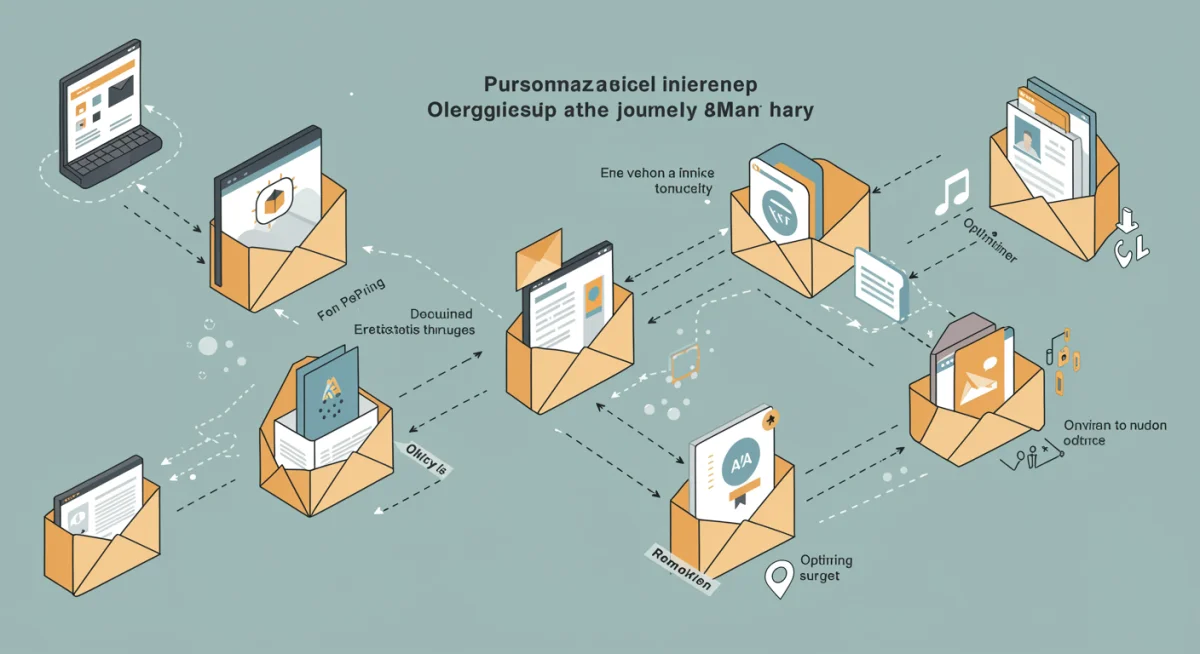
While basic segmentation groups customers by broad categories, AI enables marketers to create segments of one. This means each subscriber can receive an email experience that is specifically designed for their preferences, behaviors, and stage in the customer journey.
For instance, instead of sending a generic ‘welcome’ email, an AI system might analyze a new subscriber’s initial interactions with your website, their geographic location, and even their preferred device to craft a welcome message that immediately feels relevant and valuable. This level of detail profoundly impacts engagement.
In conclusion, the integration of AI into email marketing is not merely an upgrade; it’s a paradigm shift. It empowers marketers to move beyond generic communication and embrace a future where every email is an intelligent, data-informed interaction designed to maximize impact and build stronger customer relationships.
Crafting Irresistible Subject Lines with AI
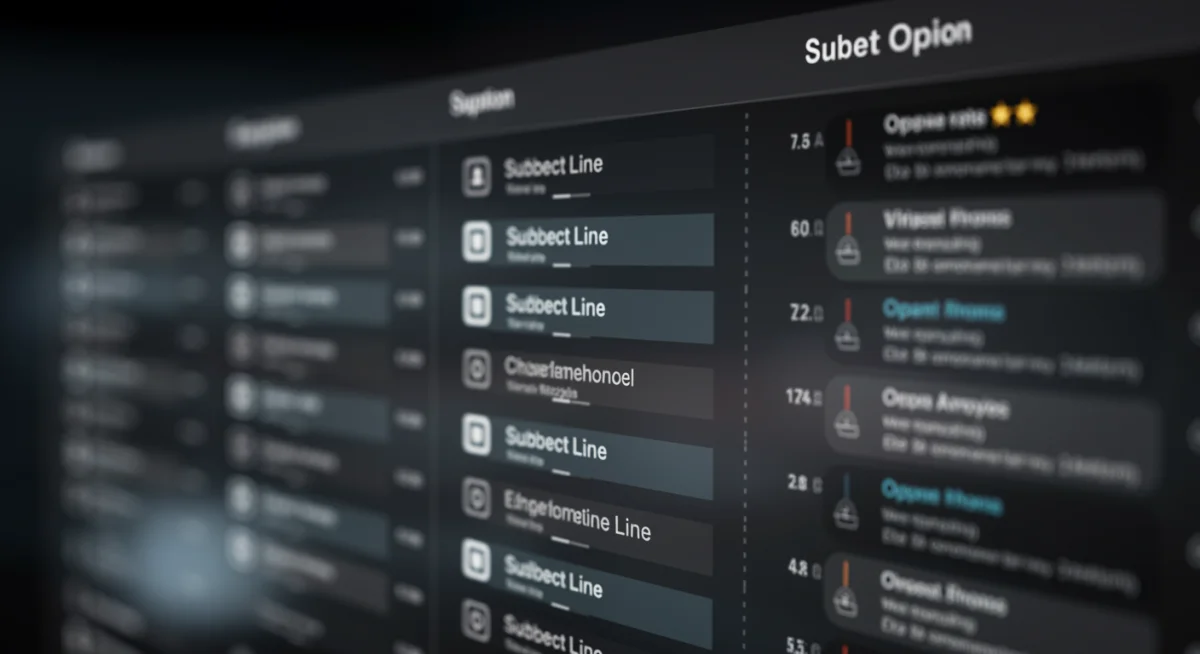
The subject line is the gatekeeper to your email’s content. A compelling subject line can be the difference between an email being opened or sent straight to the trash. AI is revolutionizing this critical element by moving beyond guesswork and A/B testing to predictive generation and optimization. It’s about understanding not just what works generally, but what works specifically for each recipient.
Traditional subject line creation often relies on human intuition, past performance data, and a lot of trial and error. While these methods have their place, they are often slow and lack the granular insight that AI can provide. AI tools analyze millions of data points to identify patterns in language, sentiment, length, and emoji usage that lead to higher open rates.
How AI Generates Smart Subject Lines
AI-powered subject line generators use natural language processing (NLP) and machine learning algorithms to create and optimize subject lines. These systems learn from vast datasets of successful and unsuccessful subject lines, correlating specific linguistic features with open rates, click-through rates, and even conversions.
Sentiment Analysis: AI can determine the emotional tone of a subject line and predict how recipients will react to it. It can suggest subject lines that evoke curiosity, urgency, or benefit, depending on the campaign’s goal.
Keyword Optimization: It identifies high-performing keywords and phrases relevant to your content and audience, integrating them strategically into subject lines to improve visibility and relevance.
Personalization at Scale: AI can dynamically insert personalized elements like a recipient’s name, location, or recent purchase into the subject line, making each email feel highly relevant.
The ability to personalize at this level extends beyond simple name insertion. AI can suggest subject lines that reference a user’s browsing history, abandoned cart items, or even their engagement with previous emails, creating a truly bespoke experience.
The Impact on Open Rates: A 25% Boost and Beyond
The promise of a 25% boost in open rates with smart subject lines is not an exaggeration; it’s a conservative estimate based on numerous case studies and industry reports. By precisely tailoring subject lines to individual preferences and behaviors, AI significantly increases the likelihood of an email catching a recipient’s eye.
Consider a scenario where an AI system analyzes a segment of your audience that responds well to urgency and another that prefers benefit-driven messaging. The AI will then generate distinct subject lines for each segment, maximizing the open rate across your entire list. This level of optimization is virtually impossible to achieve manually.
In essence, AI takes the guesswork out of subject line creation, replacing it with data-driven insights and predictive power. This results in subject lines that are not only attention-grabbing but also highly relevant and effective, propelling your email campaigns to new heights of engagement.
Personalization Beyond the Name: AI’s Deep Dive into User Behavior
True personalization in email marketing goes far beyond simply inserting a recipient’s first name. AI enables a deep dive into user behavior, preferences, and intent, allowing marketers to craft messages that resonate on a much more profound level. This advanced personalization is a cornerstone of boosting engagement and driving conversions.
Historically, personalization was limited by the data available and the tools to process it. Marketers might segment by demographics or past purchases, but the nuances of individual preference often remained elusive. AI changes this by providing the computational power to analyze complex behavioral patterns and predict future actions.
Leveraging Behavioral Data for Hyper-Targeted Content
AI systems can track and analyze a myriad of behavioral data points, transforming raw information into actionable insights. This includes:
Website Browsing History: What pages did they visit? What products did they view? How long did they spend on each page?
Past Email Interactions: Which emails did they open? Which links did they click? Did they prefer short or long emails?
Purchase History: What have they bought previously? What categories do they frequent? What was their average order value?
Device Preference and Time of Day: Do they open emails more on mobile or desktop? Is there a specific time of day they are most active?
By correlating these data points, AI can build a comprehensive profile for each subscriber, allowing for the delivery of content that is not just relevant, but also timely and presented in their preferred format.
Dynamic Content and Product Recommendations
One of the most powerful applications of AI in personalization is the generation of dynamic content and product recommendations. Instead of static email templates, AI can populate email bodies with elements that are unique to each recipient.
For example, an e-commerce brand might use AI to:
Showcase Recommended Products: Based on a user’s browsing history or past purchases, AI can dynamically insert product carousels directly into the email.
Suggest Complementary Items: If a customer recently bought a camera, AI might suggest lenses, tripods, or camera bags in a follow-up email.
Tailor Promotional Offers: Discounts or special offers can be customized based on a user’s perceived price sensitivity or loyalty status.
This level of dynamic content creation ensures that every email feels less like a mass communication and more like a personal consultation, significantly increasing the likelihood of engagement and conversion. The continuous learning aspect of AI means these recommendations become even more accurate over time, further solidifying customer relationships.
Ultimately, AI empowers marketers to move beyond superficial personalization to a deeper, more meaningful engagement with their audience. By understanding and anticipating individual needs, AI-driven email marketing transforms the inbox into a highly valuable, personalized experience.
Optimizing Send Times and Frequency with AI
Beyond crafting compelling subject lines and personalized content, the timing and frequency of email delivery are crucial for maximizing open rates and overall campaign success. AI brings a sophisticated, data-driven approach to these elements, moving past generalized ‘best times to send’ to individual-specific optimization.
Traditional email marketing often relies on broad industry benchmarks or manual testing to determine optimal send times. While these methods offer some guidance, they fail to account for the diverse schedules and habits of individual subscribers. What works for one segment of your audience might be completely ineffective for another.
Predictive Send Time Optimization
AI algorithms analyze historical engagement data for each subscriber, including when they typically open emails, click on links, and make purchases. This allows AI to predict the optimal send time for every individual on your list, ensuring your message arrives when they are most likely to interact with it.
Individualized Schedules: Instead of a single send time for everyone, AI creates a unique delivery schedule for each subscriber, aligning with their peak engagement windows.
Time Zone Awareness: AI automatically adjusts for different time zones, ensuring emails are delivered at the optimal local time for each recipient.
Behavioral Shifts: The system continuously learns and adapts to changes in a subscriber’s behavior, adjusting send times if their habits evolve.
This precise timing can significantly impact not just open rates, but also click-through rates and conversions, as the email is delivered when the recipient is most receptive and available to engage with your content.
Intelligent Frequency Management
Email fatigue is a real concern for marketers. Sending too many emails can lead to unsubscribes, while sending too few might mean missed opportunities. AI helps strike the perfect balance by intelligently managing email frequency based on individual engagement patterns and preferences.
AI can determine:
Optimal Number of Emails: For each subscriber, AI can recommend the ideal number of emails per week or month to maintain engagement without causing fatigue.
Content Prioritization: If a subscriber is engaging less, AI might prioritize sending only the most critical or highest-value emails, reducing noise.
Re-engagement Triggers: For inactive subscribers, AI can trigger specific re-engagement campaigns with tailored offers, rather than continuing to send regular broadcasts that are being ignored.
By personalizing send times and frequencies, AI ensures that your email strategy is not only efficient but also highly respectful of your subscribers’ preferences. This fosters a better relationship with your audience, leading to sustained engagement and long-term loyalty.
In summary, AI transforms email delivery from a one-size-fits-all approach to a highly individualized strategy. By optimizing when and how often emails are sent, AI maximizes the chances of your messages being seen, opened, and acted upon, directly contributing to higher open rates and improved campaign ROI.
A/B Testing on Steroids: AI-Powered Experimentation
A/B testing has long been a cornerstone of email marketing optimization, allowing marketers to compare different versions of an email to see which performs better. However, traditional A/B testing can be slow, resource-intensive, and often provides insights that are too general. AI takes A/B testing to an entirely new level, making it faster, more granular, and significantly more effective.
Manual A/B testing typically involves comparing two (or sometimes a few) variations of a single element, such as a subject line or a call-to-action. This process requires significant human effort to set up, monitor, and analyze. The insights gained are often limited to the specific variations tested and may not apply universally across diverse audience segments.
Multivariate Testing and Dynamic Optimization
AI goes beyond simple A/B tests by enabling multivariate testing at scale. This means it can simultaneously test numerous combinations of different email elements—subject lines, sender names, preheaders, body copy, images, calls-to-action, and even layout designs. The AI continuously learns from each interaction, dynamically adjusting and optimizing campaign elements in real-time.
Simultaneous Element Testing: AI can test multiple variables at once, identifying not just which individual element performs best, but also which combinations yield the highest engagement.
Automated Learning and Adaptation: As data comes in, the AI automatically shifts traffic towards better-performing variations, minimizing exposure to less effective content.
Segment-Specific Insights: AI can conduct these tests and derive insights for highly specific audience segments, ensuring that optimizations are tailored to the unique preferences of different groups.
This dynamic optimization means that your campaigns are constantly improving, learning from every send and every interaction, leading to sustained increases in performance metrics like open rates and conversions.
Predictive Modeling for Future Campaigns
Beyond optimizing current campaigns, AI-powered experimentation builds a rich knowledge base that informs future strategies. By analyzing the results of countless tests, AI can develop predictive models that forecast the likely success of different email elements before they are even sent.
This predictive capability allows marketers to:
Pre-emptively Optimize: Instead of discovering what works through live testing, AI can suggest optimal elements based on historical data and predictive analytics.
Reduce Testing Time: While A/B testing is still valuable, AI can significantly reduce the amount of time and resources needed for extensive manual testing.
Identify Hidden Correlations: AI can uncover subtle relationships between different email elements and audience behaviors that might be missed by human analysis.
In essence, AI transforms A/B testing from a reactive process into a proactive, intelligent optimization engine. It provides marketers with a deeper understanding of what drives engagement, allowing for the creation of highly effective emails that consistently outperform traditional campaigns. This continuous learning and adaptation are key to maintaining a competitive edge in the evolving digital marketing landscape.
AI’s Role in Content Generation and Dynamic Templates
The impact of AI in email marketing extends far beyond just subject lines and personalization; it’s revolutionizing content creation itself. AI-powered tools are now capable of generating compelling email copy, designing dynamic templates, and even suggesting optimal imagery, significantly reducing the manual effort involved and enhancing the overall quality and relevance of email content.
Traditionally, content creation for email campaigns has been a time-consuming process, requiring copywriters and designers to manually craft messages and layouts for various segments. This often led to generic content or limited personalization due to resource constraints.
AI-Generated Copy and Visuals
Natural Language Generation (NLG) is a subset of AI that allows machines to produce human-like text. In email marketing, NLG tools can:
Draft Email Body Copy: Based on campaign goals, target audience, and product information, AI can generate various versions of email copy, from promotional messages to informational newsletters.
Suggest Call-to-Actions (CTAs): AI analyzes past performance data to recommend CTAs that are most likely to drive clicks and conversions for specific segments.
Optimize Tone and Style: It can adapt the tone and style of the copy to match brand guidelines or to resonate better with a particular audience segment.
Beyond text, AI is also assisting with visual content. Generative AI can suggest or even create images and graphics that align with the email’s theme and the recipient’s preferences, ensuring a cohesive and engaging visual experience.
Dynamic Templates and Layout Optimization
AI can also dynamically assemble email templates, optimizing the layout and content blocks for each individual recipient. This means the structure of an email isn’t static; it adapts based on what the AI predicts will be most effective for a given user.
Consider these AI capabilities:
Modular Content Blocks: AI can select and arrange different content blocks (e.g., product features, testimonials, blog articles) to create a unique email layout for each subscriber.
Responsive Design Optimization: It ensures that the email’s layout is perfectly rendered and readable on any device (desktop, tablet, mobile), optimizing for the recipient’s preferred viewing method.
Engagement-Driven Layouts: AI can learn which layout elements (e.g., image placement, button size, text-to-image ratio) lead to higher engagement for different user profiles and apply these learnings dynamically.
This level of dynamic content and template generation allows marketers to deliver highly relevant and visually appealing emails at scale, without the need for extensive manual design and coding. It ensures that every email is not just personalized in terms of message, but also optimized in its presentation for maximum impact.
In conclusion, AI is transforming email content creation into a more efficient, intelligent, and personalized process. By automating copy generation, optimizing visuals, and dynamically building templates, AI enables marketers to deliver highly engaging emails that resonate deeply with their audience, further contributing to improved open rates and overall campaign effectiveness.
Measuring Success and Continuous Improvement with AI
The true power of AI in email marketing lies not just in its ability to generate smart subject lines and personalize content, but also in its unparalleled capacity to measure campaign performance, extract meaningful insights, and drive continuous improvement. This iterative learning process is what ensures sustained growth in open rates and overall ROI.
Traditional performance measurement involves manually sifting through data, creating reports, and identifying trends. This can be time-consuming and prone to human error, often leading to delayed insights and missed opportunities for optimization.
Advanced Analytics and Reporting
AI-powered analytics tools go far beyond basic open and click rates. They provide deep insights into every aspect of email campaign performance, often in real-time. These tools can:
Identify Key Performance Drivers: AI pinpoints which elements of your emails (subject lines, CTAs, content blocks, images) are having the most significant impact on engagement.
Predict Future Trends: Based on historical data and current performance, AI can forecast future campaign outcomes, allowing marketers to make proactive adjustments.
Segment Performance Breakdown: It breaks down performance metrics by various audience segments, revealing which groups respond best to specific types of content or offers.
These advanced insights empower marketers to understand not just what happened, but why it happened, providing the knowledge needed to refine future strategies effectively.
Iterative Optimization and Machine Learning Cycles
The core of AI’s continuous improvement mechanism is its iterative learning cycle. Every email sent, every open, every click, and every conversion feeds new data back into the AI system. This data is then used to refine the algorithms, making them smarter and more accurate with each subsequent campaign.
This process involves:
Feedback Loop: AI constantly analyzes the results of its own recommendations (e.g., subject lines, send times) and uses that feedback to improve its predictive models.
Adaptive Learning: As market trends change or audience preferences evolve, the AI adapts its strategies to remain effective, ensuring your campaigns stay relevant.
Automated Experimentation: AI continuously runs micro-experiments in the background, testing subtle variations to fine-tune performance without requiring direct human intervention for every test.
This automated, self-improving system means that your email marketing efforts become progressively more effective over time. What starts as a 25% boost in open rates can evolve into even greater gains as the AI learns more about your audience and optimizes every facet of your campaigns.
In conclusion, AI is not just a tool for execution; it’s a powerful engine for continuous learning and optimization in email marketing. By providing advanced analytics and fostering an iterative improvement cycle, AI ensures that your campaigns are always evolving, leading to sustained increases in engagement, open rates, and ultimately, business growth.
Key Aspect
Benefit with AI
Subject Line Optimization
Generates and optimizes subject lines for individual recipients, boosting open rates significantly.
Hyper-Personalization
Delivers dynamic content and product recommendations based on deep user behavior analysis.
Send Time & Frequency
Predicts optimal send times and manages frequency for each subscriber, reducing fatigue.
Continuous Optimization
Utilizes machine learning to constantly refine campaigns based on real-time performance data.
Frequently Asked Questions About AI-Driven Email Marketing
How does AI actually boost email open rates?▼
AI analyzes vast amounts of data—past email performance, user behavior, and preferences—to generate highly personalized and optimized subject lines. It predicts what will resonate most with each individual recipient, ensuring your emails stand out in a crowded inbox and significantly increasing the likelihood of them being opened.
Is AI in email marketing only for large businesses?▼
Not at all. While large enterprises benefit from AI’s scale, many AI-powered email marketing platforms are now accessible and affordable for small and medium-sized businesses. These tools democratize advanced personalization and optimization, allowing businesses of all sizes to compete effectively and boost their email campaign performance.
What kind of data does AI use for personalization?▼
AI leverages a wide array of data points, including website browsing history, past email interactions (opens, clicks), purchase history, demographic information, and even device usage. By processing this complex data, AI creates detailed user profiles to deliver hyper-relevant content and product recommendations to each subscriber.
Can AI help with email content creation?▼
Yes, AI is increasingly capable of assisting with content creation. Natural Language Generation (NLG) tools can draft email body copy, suggest effective calls-to-action, and optimize the tone and style of your messages. AI can also help in selecting and arranging dynamic content blocks and visuals to create highly engaging and personalized email layouts.
How does AI continuously improve email campaign performance?▼
AI utilizes a continuous learning loop. Every interaction (opens, clicks, conversions) provides new data that refines its algorithms. This adaptive learning allows AI to constantly optimize subject lines, send times, content, and frequency, ensuring your campaigns are always evolving and becoming more effective over time, leading to sustained performance gains.
Conclusion
The landscape of email marketing is undergoing a profound transformation, with AI emerging as the driving force behind unprecedented levels of engagement and effectiveness. As explored throughout this article, AI-driven email marketing is not merely an incremental improvement; it’s a revolutionary shift that empowers businesses to connect with their audience on a deeply personalized and intelligent level. From crafting irresistible subject lines that can boost open rates by 25% or more, to delivering hyper-personalized content and optimizing send times, AI ensures that every email sent is a strategic, data-informed interaction. By embracing AI tools, marketers can move beyond generic campaigns, foster stronger customer relationships, and achieve remarkable results in an increasingly competitive digital world. The future of email marketing is intelligent, adaptive, and undeniably AI-powered, promising a new era of highly effective and engaging communication.